

David Fleming
Director of Marketing, GridX
Matt McRitchie
Director of Product Marketing, GridX
First Published Q3 2025
Forecasting is at the core of how the energy industry plans and operates, but the role it plays today looks very different from even a few years ago.
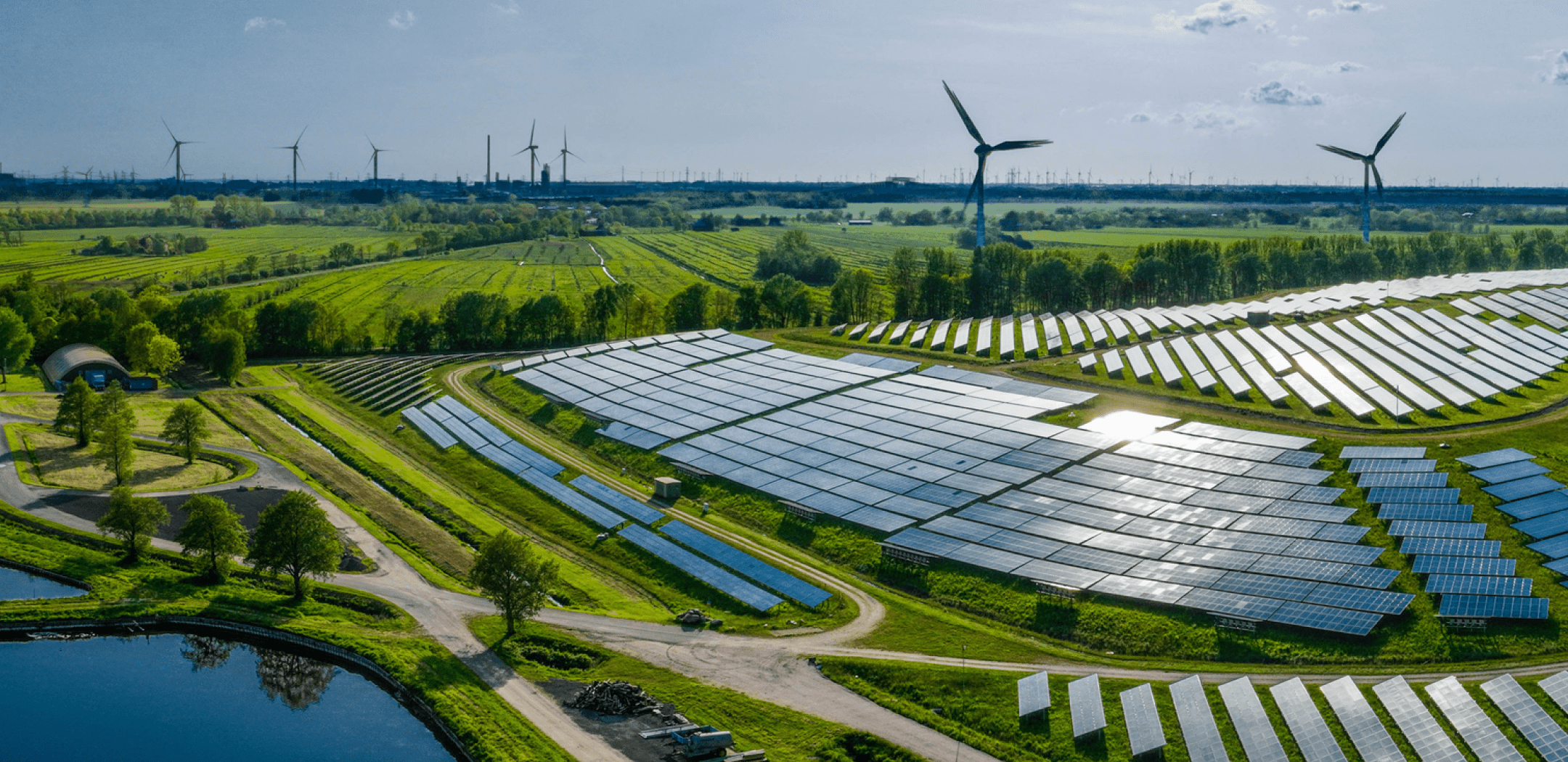
Demand patterns are shifting as electric vehicles, solar generation, and new storage technologies reshape when and how energy flows through the grid, while generation itself is increasingly distributed and variable.
For utilities and retailers, the challenge isn’t simply predicting the next day or week’s load, it’s about understanding how demand changes will influence pricing, infrastructure planning, and customer programs over the months and years ahead.
“These insights help utilities and retailers understand how customer behavior and new technologies are driving demand changes, and what those shifts mean for future planning and operations.”
The Forecast is Changing
Traditional forecasting models, built largely on historical data, were never designed for this kind of complexity, as they captured patterns rather than behavior.
As distributed energy resources and weather extremes add new variables and volatility, legacy forecasting approaches struggle to adapt. What used to be a reliable reference point can now be a source of risk, as small shifts in temperature, adoption, or demand flexibility can create significant impacts on both operations and cost.
Forecasting has moved from a background process to a critical input for every strategic decision a utility makes.
Expanding Capabilities
This is where the recent acquisition of Innowatts becomes a catalyst for change. The move brings together GridX’s Enterprise Rate Platform with Innowatts’ industry-leading Forecasting and Insights solutions, which are powered by models trained on data from more than 53 million Advanced Metering Infrastructure (AMI) meters worldwide.
These models continuously learn from consumption, weather, and behavioral data, adapting as conditions evolve to deliver precise, market-ready forecasts. With the addition of Innowatts, GridX now offers a compelling set of capabilities and solutions that connect how energy is produced, consumed, and priced, giving utilities and energy retailers a clearer view of what lies ahead and the confidence to plan for it.
The real value comes from what these capabilities make possible – helping people act on insights when it matters most.
Forecasting Meets Rate Analytics
By combining precision forecasting with advanced rate and billing analytics, utilities can model how future conditions may affect demand and the rates designed to serve their customers.
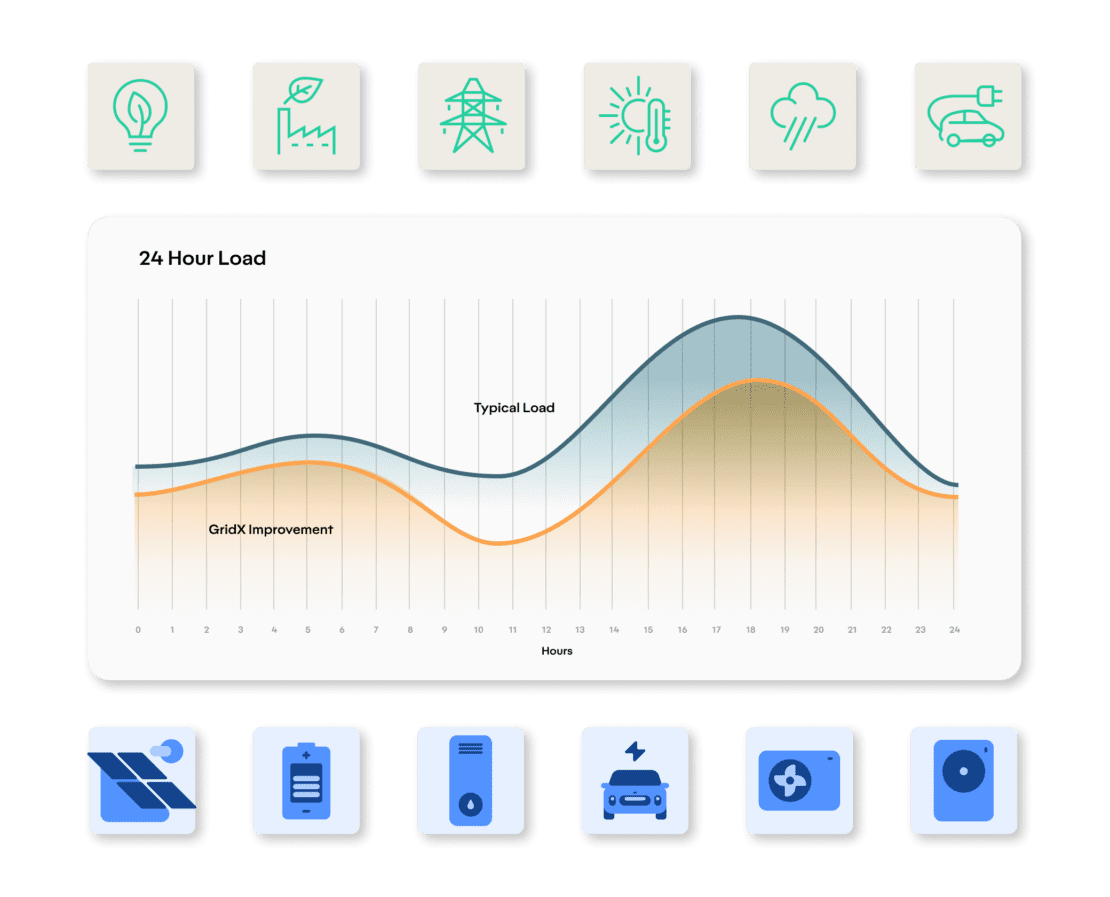
Users can explore how rising EV ownership or growing solar adoption might shift load curves, or how new tariffs could balance grid stability with affordability across different scenarios.
That visibility gives planners and pricing teams a more complete picture of the challenges and opportunities ahead: what’s changing, what it means for cost, and what options they have available to stay ahead. Forecasting and rates no longer sit in separate silos. Together they give planners a more complete view of both demand and cost dynamics.
From Short-Term to Strategic
The value of data-driven forecasting becomes clear across time horizons, from day-ahead markets to strategic long-term planning.
For day-ahead and intraday operations, these forecasts improve accuracy for market bids and dispatch, strengthening both reliability planning and risk management. Over the long-term, those same models extend years into the future, combining economic and demographic trends with scenarios for weather and electrification.
Behind the meter, GridX uses load disaggregation of AMI data to identify both the presence and behavior of EVs, rooftop solar, home batteries, and other significant loads.
These insights help utilities and retailers understand how customer behavior and new technologies are driving demand changes, and what those shifts mean for future planning and operations.

“As electrification accelerates and distributed energy resources expand, utilities and energy retailers will face an even greater need to balance reliability, affordability, and sustainability in an increasingly dynamic grid. Bringing forecasting and rate analytics together to meet that challenge gives planners the foresight to anticipate change and the confidence to plan and respond.”
The Power of Integration
When forecasting and behind-the-meter insights are integrated, they create a more complete picture.
A retailer identifying sharper evening peaks can use those insights to reshape tariffs and customer programs for a more balanced load. The same data can help a utility identify transformers under stress and target reinforcement investments where it matters most.
For planners, scenario modeling provides a way to explore uncertainty by testing what happens if temperatures rise or fall by a few degrees, or if projected EV and battery adoption rates were to change. Ultimately, it’s about having the data and tools to anticipate and plan for change rather than reacting to it.
Forecasts that Drive Action
This approach is defined by precision and usability – bringing data, models, and context together in a way that makes decision-making faster and outcomes more reliable.
Forecasting only creates value when it’s clear, usable, and grounded in reality. Rather than presenting a wide range of possible outcomes, GridX focuses on the most probable forecast first, then enables users to generate optional scenarios around it.
Users can view and assess both the most probable forecast and a range of possible variations, giving them the clarity to weigh risk, test strategy, and act with confidence. It’s forecasting designed for action, not data for its own sake.
Accelerating Rate Innovation
The same clarity that makes forecasting actionable also transforms how rates are established. With a deeper understanding of when and where load shifts are likely to occur, we can also identify which customers or technologies are driving those changes.
This enables planners to model and evaluate new pricing structures before they’re implemented. That insight helps identify which tariffs will deliver affordability and resilience under future demand conditions, while aligning with customer behavior and decarbonization goals. This creates a new level of rate precision that enables stronger customer programs and more sustainable business models.
The Next Chapter
Looking ahead, opportunity lies in how the capabilities of precise forecasting, grid analytics, and customer insights will continue to evolve.
As electrification accelerates and distributed energy resources expand, utilities and energy retailers will face an even greater need to balance reliability, affordability, and sustainability in an increasingly dynamic grid.
Bringing forecasting and rate analytics together to meet that challenge gives planners the foresight to anticipate change and the confidence to plan and respond.
Forecasting the future isn’t about predicting every single variable. Having all the data in the world at your fingertips means little if you cannot use it easily and with purpose.
What matters is providing decision-makers with the insights and clarity they need to plan with confidence, to turn data into action, and to power growth built on understanding rather than assumption. That’s how the next chapter of the energy transition will be delivered.
Receive the Magazine today.
