Can utilities ditch spreadsheets?
The easy button to streamline and make sense of AMI and customer data

The easy button to streamline and make sense of AMI and customer data
Sign up for our magazine
The premier outlet for compelling storytelling around the innovators and innovations driving the clean energy transition.
After 34 years in the utility industry, I’ve seen the same story play out dozens of times. A rate case is filed, and suddenly, the “scramble” begins.
Teams are buried in spreadsheets, manual data pulls are failing to reconcile, and everyone is trying to force-fit AMI data into models that weren’t built for that kind of scale. We all saw the promise of “Big Data,” but for most of my career, that data was more of a burden than a benefit. It was rarely test-year ready, and quantifying customer impacts felt like trying to change a tire while the car was moving.
The reality is that today’s regulatory environment has outpaced yesterday’s tools. Decarbonization, the rise of EVs, and shifting load profiles mean that regulators and stakeholders are asking more complex questions than ever before. If it takes your team weeks to answer a single “what if” scenario regarding bill impacts, you aren’t just losing time—you’re losing the narrative.
So, how do you move from being reactive to being “always-ready” for these scenarios?
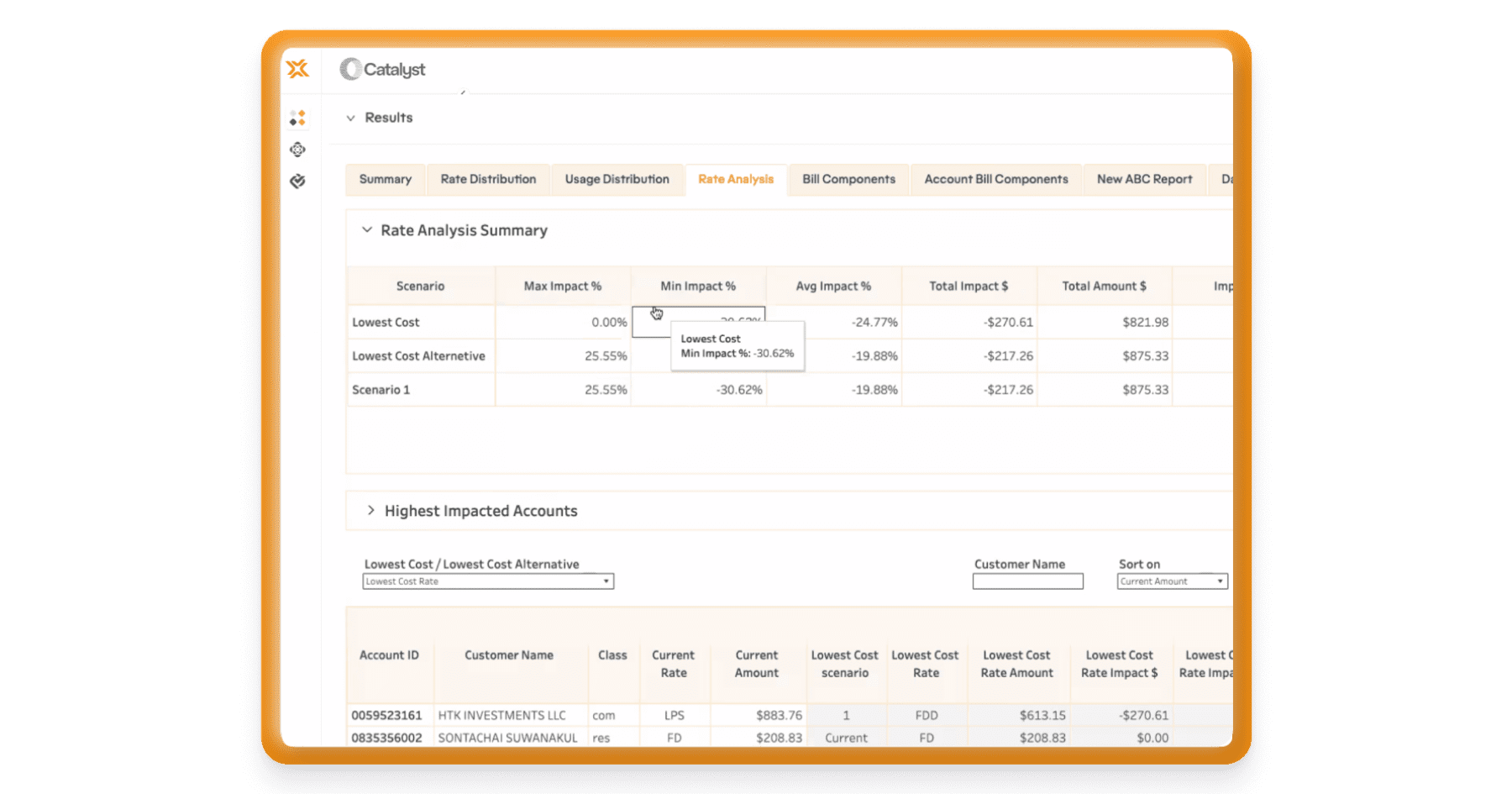
At GridX, we developed GridX Analyze to be the tool I wish I had during those 34 years in the trenches.
Part of the GridX Platform, it acts as a digital twin of your utility tariffs. Instead of relying on small samples or manual workarounds, it leverages validated interval data across your entire customer base.
By automating data ingestion and validation, we’re helping utilities shift from a reactive scramble to an always-ready operating model. Here’s what that looks like in practice:
- Precision over Proxies: No more relying on customer samples. You can evaluate impacts across every customer class—including complex Large C&I—with total confidence.
- Regulatory Speed: Respond to stakeholder inquiries and “what-if” scenarios in minutes, not days.
- Immediate Value: You don’t need to wait for a massive billing system conversion. You can unlock the value of your AMI data right now.
The bottom line is the complexity of our grid is increasing, but our ability to analyze it shouldn’t have to. Rate and program design should be about strategy and equity, not data wrestling.
I’m proud to be part of a team providing the next generation of rate and program professionals with the tools we only dreamed of a decade ago. It’s time to retire the manual spreadsheets and start leading with data.