Restarts and uprates are powering the nuclear renaissance
Despite funding for new nuclear technology, conventional plants are first in line to meet increasing energy demands.

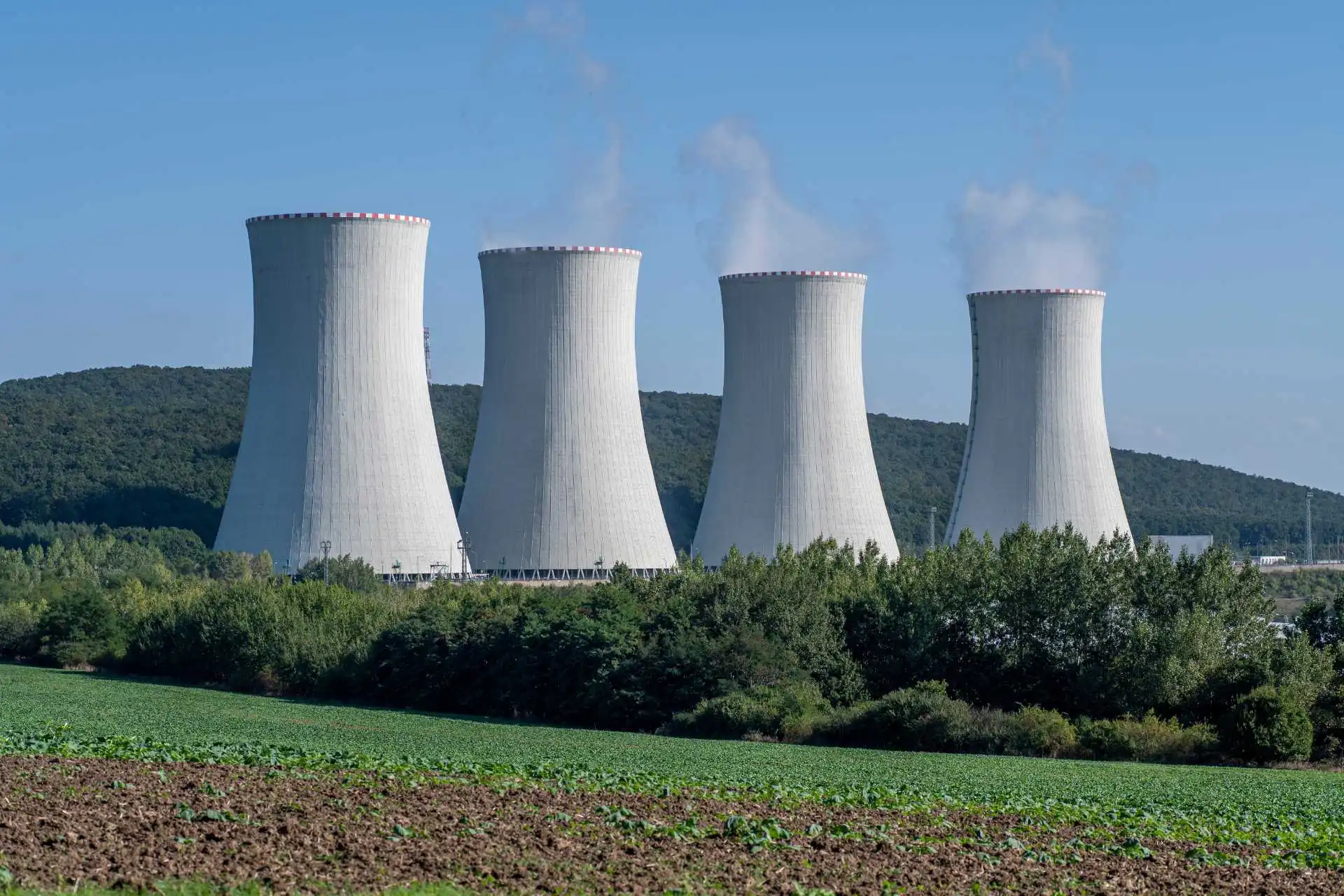
Despite funding for new nuclear technology, conventional plants are first in line to meet increasing energy demands.
Sign up for our magazine
The premier outlet for compelling storytelling around the innovators and innovations driving the clean energy transition.
Six years ago, as cheap natural gas and renewables flooded the U.S. energy market, officials shuttered Three Mile Island Unit 1 after more than four decades of operation. But last September — after signing an agreement with Microsoft, which will use the plant to power new data centers in support of artificial intelligence — Constellation Energy announced plans to restart the reactor in 2028.
And this summer, Constellation made another rare announcement. It shortened the timeline for restarting the 835-MW plant — renamed the Crane Clean Energy Center — to 2027.
“A year ahead of time? You haven’t heard those words in that particular order in the nuclear industry in 30 years,” Jan VanEck, CEO of the VanEck investment management firm, said recently.
For Mike Kramer, VP of data economy strategy for Constellation Energy, the reopening takes the sting out of an earlier decision he had to make at the firm’s then-parent company Exelon – whether to shutter Unit 1 at Three Mile Island or keep it running.
“It was not an issue where it ran poorly or that people didn’t want to keep operating the plant. It was one of our best facilities,” Kramer explained during a recent interview on the With Great Power podcast. But the economics didn’t make sense anymore.
Today’s economics are helping to shape a nuclear renaissance. Demand for clean energy for data centers is outstripping supply from other forms of clean energy.
In late August, Holtec, the company that acquired the 800-MW Palisades power plant in Covert Township, Michigan, after its operator Entergy shuttered it in 2022, said Palisades is now the first nuclear plant in U.S. history to move from decommissioning back to operations. This followed the Nuclear Regulatory Commission’s approval of Holtec’s licensing package to reauthorize power operations.
A third shuttered plant is also on track to reopen near Cedar Rapids, Iowa after the Federal Regulatory Energy Commission approved a waiver request from NextEra Energy to recommission the 600-MW Duane Arnold nuclear plant there. NextEra, which is targeting a 2028 restart date, has not announced a customer agreement to support the project. Nor has Holtec for the Palisades plant, but it does have government backing in the form of a $1.5 billion loan from the Loan Programs Office.
Constellation’s agreement with Microsoft gave the utility a 20-year roadmap for the recommissioned plant. “We’re responsible for all the restart costs and then [Microsoft] will take the offtake for 20 years,” Kramer explained, calling it a first-of-a-kind transaction that gave the utility the revenue assurance it needed to invest in the restart.
Improving output and relicensing plants
In addition to reopening the former Three Mile Island Unit 1, Constellation wants to increase the amount of energy that existing plants generate through a process called uprating. These projects can take the form of “big capital-intensive projects where you’re replacing a lot of significant components to get more megawatts,” he said. Or they might be smaller efficiency upgrades, like changing out a turbine to gain 10 MW or 15 MW of additional thermal generation.
A third type, called a measurement uncertainty recapture, is what he called “an engineering-based exercise to figure out how much the plant can operate at different operating conditions to get more megawatts.”
“We’ve talked about having another gigawatt or so of uprates in the pipeline,” Kramer said.
Constellation also wants to keep its nuclear plants operational for as long as possible. Plants with licenses set to expire by 2030 represent around 3.2 GW of power, according to Wood Mackenzie.
License extensions and uprates require NRC approval, but the utility is unlikely to encounter resistance from the Trump administration, which has issued a series of executive orders in support for growing the country’s nuclear energy resources and proposed reforms to streamline NRC regulations.
It’s all part of a comeback story for large-scale nuclear power providers. Kramer claimed that with its significant nuclear fleet — it is the largest nuclear generator in the country — Constellation can provide carbon-free energy to help meet demand growth without the long timelines and high costs of new plants.
“Our goal would be to re-license the whole fleet,” Kramer said. But even with current federal support, that could prove challenging. It’s hard to know how long the current demand for large-scale data centers will continue. And the federal production tax credit for zero-carbon nuclear power expires in 2032.
Still, Kramer is bullish on the prospects of extending licenses and uprating. “I think we’re going to need the clean, reliable energy. And certainly making the investments required on the existing assets to extend those lives is likely to be more cost-efficient than to build new.”
For the full conversation with Mike Kramer, listen to his interview on With Great Power here.
With Great Power is a show about the people building the future grid, today. It’s a co-production of GridX and Latitude Studios. Subscribe on Apple, Spotify, or anywhere you get your shows.
Read the original article from Latitude Media here.