
Research Report
Quantifying the Value of Add-On Billing Engines vs. CIS Customization
Guidehoue Insights: Modular Billing Engine Research Report



Research Report
Complex Rates Analytics Report
Guidehouse Insights analyzed and forecasted global demand for the emerging Complex Rate Analytics market.

Research Report
Bringing Stability to the Shifting Complex Billing Landscape
TMG Examines the Shortcomings of the Customer Information System in Handling the Complex Billing Needs of a Distributed Grid.

Billing
Benefits of a Modular Billing Engine
Learn how utilities can avoid $25M–$490M+ in CIS modernization costs. This Guidehouse white paper quantifies the value of modular add-on billing engines to deploy complex rates 75–85% faster while reducing operational risk and improving customer experience.

Analytics
Modernizing the Rate Case Process
See how Alliant Energy used GridX Analyze to move beyond manual spreadsheets and file a complex rate case in record time with precise bill impact data.

DSM
Rates as Demand Side Management
Discover how utilities use data-driven rates as a strategic DSM resource to drive up to 23% peak reduction and permanent load shift without the need for hardware.

Affordability
Affordability as the Gatekeeper to the Energy Transition
Affordability is the gatekeeper to the energy transition. Learn how to retire “one-size-fits-all” rates and use data to protect vulnerable customers. Download the guide.

Billing
Solving Billing Challenges for Large Load Tariffs
This industry guide explores how utilities can move beyond manual processes to achieve high billing accuracy for any customer and any rate. Learn how to deliver the robust digital experience your most important customers demand while avoiding the expense and risk of a total CIS replacement.

DERs
The Implementation Bridge
This guide outlines how modern utilities are overcoming these barriers, utilizing the expertise of Grant Reynolds, Solutions Architect at GridX, to bridge the gap between regulatory design and operational reality. But doing rates right is difficult – for an abundance of reasons. As we talk about solutions, we have to look at why execution is so difficult.

DERs
Bending the Cost Curve for the AI Era
This playbook reveals how to leverage sophisticated, next-generation tariffs to convert the inherent flexibility of data centers (from their base load profile to on-site generation) into net positive grid assets, enhancing resiliency and stability while mitigating cost risks for all customer classes.

Analytics
Delivering Significant Cost Savings
See how a large midwestern utility saved $620,000 a year by replacing spreadsheets with automated rate analysis for its C&I key accounts.

Analytics
Benefits of TOU
A utility faced the challenge of optimizing electric usage and reducing operational costs and environmental impact. The utility implemented a Time-of-Use (TOU) electric rate. This initiative aimed to achieve meaningful outcomes such as reduced electric usage, lower costs, decreased peak load, and a reduction in greenhouse gas emissions.

Industry
Bending the Cost Curve
Utilities are under increasing pressure to modernize their rates and programs, facing challenges from grid reliability to evolving technologies like AI data centers and electric vehicles. Yet, despite decades of access to interval data, many have struggled to translate this data into consistently effective, equitable, and scalable programs.

Customer Service
GridX APIs
The GridX Empower suite of rate and cost analysis APIs and widgets deliver exceptional results at scale for utilities and their customers. The APIs and widgets enable informative and actionable experiences, showing customers the financial impact of their current actions and the potential savings from changing behaviors like adopting eligible rates, programs and distributed energy resources (DERs).

Analytics
Puget Sound Energy
PSE’s TVR pilot used personalized rate education to exceed enrollment targets by up to 200% and drive measurable load shift.

Industry
The Business of Utility Rates
An Enterprise Rate Engines (EREs) can streamline rate design, improve customer education, and enhance billing transparency. Find out how utilities have successfully implemented an ERE to optimize pricing, model customer impacts, and encourage participation in energy programs.
Billing
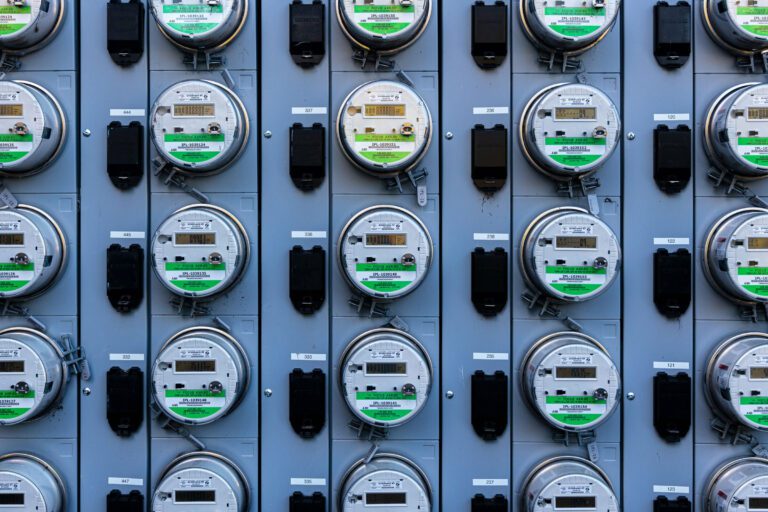
Maximizing AMI Investments
How utilities can utilize AMI data to improve rates engagement with an Enterprise Rate Engine as a cost effective and timely alternative.

“In this environment, billing has become a bottleneck—not because the CIS cannot function as a system of record, but because it was never designed to support rapid, iterative rate innovation at today’s pace.”
Bending the Cost Curve

Bending the Cost Curve: A Playbook for the Modern Grid
For utilities and large energy providers, "Bending the Cost Curve" means fundamentally rethinking how we design and implement rates and programs. When done right, we create the right incentives for customers to shift their usage, alleviating grid stress during peak times and minimizing the need for future rate increases. It’s about making grid modernization co-exist with affordability, sustainability and demand flexibility.



Want to learn more?
Get in Touch